Global Kids Tableware Market Trends, Projections, and B2B Sourcing Guide (2025–2030)
Global Kids Tableware Market Overview: Projections, Metrics, and Strategic Drivers
The global children's dinnerware set market is undergoing a structural transition as safety regulations and material compliance tighten internationally. According to verified industry research data, the global kids' tableware market size was valued at USD 4.9 billion in 2023 and is projected to reach USD 10.5 billion by 2031, growing at a compound annual growth rate (CAGR) of 10.5%. This expansion is driven by a universal focus on child health, safety compliance, and sustainable parenting choices. Retailers, school caterers, and wholesale importers are increasingly prioritizing high-density, shatter-proof materials that eliminate traditional plastic chemical leaching concerns.
B2B procurement professionals must analyze these regional and material dynamics when formulating long-term sourcing programs. The demand for safe, durable children's dinnerware is highly correlated with global child nutrition initiatives and early childhood development policies. Authoritative reports from organizations like UNICEF Child Nutrition Data indicate that healthy development requires safe, non-toxic eating environments, which directly influences public school and private sector kitchen procurement standards. Table 1 outlines the projected growth metrics and market valuations through 2031, showing a clear shift toward certified polymer and organic composite materials.
Table 1: Global Kids Tableware Market Projections & Growth Metrics (2023-2031)
| Sourcing Year | Market Valuation (USD Billion) | Growth Phase Indicator | Sourcing Channel Priority |
|---|---|---|---|
| 2023 | 4.9 | Baseline Market Assessment | Wholesale & B2B Distribution |
| 2025 | 6.1 | Acceleration Phase | School Cafeterias & Direct Retail |
| 2028 | 8.2 | Mainstream Integration | Custom Branded OEM Projects |
| 2031 | 10.5 | Maturity & Compliance Scale | Complete Circular Economy Materials |
Comparative Material Analysis: Bamboo Fiber Tableware vs. Melamine Resin Standards
Selecting the correct material is the most critical decision for kids' dinnerware importers and brand owners. Historically, bamboo fiber children tableware has been marketed as a natural, eco-friendly alternative to fossil-fuel-based plastics. However, recent regulatory changes in the European Union have restricted the sale of plastic tableware containing bamboo fibers or other natural additives because composite materials can accelerate chemical leaching when exposed to acidic liquids. Under European Commission Regulation (EU) No 10/2011, plastic food contact materials must undergo rigorous testing to ensure primary aromatic amines and formaldehyde remain below strict chemical migration limits.
Pure melamine resin represents a highly stable, durable, and commercially viable alternative for global B2B buyers. Molded melamine-formaldehyde resins, when manufactured under strict temperature and pressure controls, comply fully with FDA Regulation 21 CFR 177.1460 for molded food contact articles. Melamine is highly shatter-proof, lightweight, and dishwasher safe, making it highly suitable for high-frequency institutional use and child care facilities. To help buyers compare raw materials, Table 2 compiles the technical performance of bamboo fiber, melamine resin, and traditional polycarbonate plastics across critical safety, commercial durability, and regulatory compliance categories.
Table 2: Material Comparison for Kids Tableware: Bamboo Fiber vs. Melamine Resin vs. Traditional Plastics
| Metric Category | Bamboo Fiber Composites | Pure Melamine Resin | Polycarbonate (PC) Plastics |
|---|---|---|---|
| BPA Content | 100% BPA-Free | 100% BPA-Free | Often contains BPA traces |
| Durability Level | Moderate to low (brittle) | High (shatter-resistant) | High (shatter-resistant) |
| Dishwasher Safety | Top-rack only; short lifespan | Commercial dishwasher-safe | Dishwasher-safe; degrades over time |
| FDA Compliance | Subject to natural fiber review | Compliant under 21 CFR 177.1460 | Subject to BPA restrictions |
| EU Regulation | Restricted under EU 10/2011 | Fully compliant under EU 10/2011 | Highly scrutinized for phthalates |
Sourcing Parameters and Technical Specifications for a 5-Piece Kids Dinnerware Set
The most requested B2B configuration in the global market is the 5-piece children's dinnerware set, which provides a comprehensive, self-contained eating system for toddlers. This standard child dinnerware set includes one round plate, one round bowl, one tumbler, one spoon, and one fork, configured to assist physical development and self-feeding. According to the World Health Organization Child Development Guidelines, learning to use specialized utensils supports motor skills, meaning that B2B product developers must design utensils that are lightweight and anatomically appropriate. Table 3 lists the standard engineering specifications and sizing parameters for high-density melamine kids' tableware sets.
Table 3: 5-Piece Kids Dinnerware Set Engineering Specifications
| Item Component | Physical Sizing Parameters | Surface Finish Type | Primary Application and Volume |
|---|---|---|---|
| Round Plate | Diameter: 21.5 cm; Height: 2.0 cm | Matte finishing with edge decal | Entree serving and portion control |
| Round Bowl | Diameter: 16.4 cm; Height: 4.5 cm | Matte finishing with interior decal | Soup, cereals, salads, and noodles |
| Tumbler Cup | Diameter: 7.5 cm; Height: 8.5 cm | Matte finishing, thick base | Milk, juices, and water consumption |
| Spoon | Length: 14.5 cm; Width: 3.0 cm | Hand-polished smooth handle | Self-feeding development, toddler safe |
| Fork | Length: 14.5 cm; Width: 2.5 cm | Hand-polished smooth handle | Solid food handling, burr-free edges |
Technical design placement on the 21.5cm round plate is divided into two distinct zones: the bottom surface and the raised rim. This structural layout allows brand owners to apply custom cartoon decals, like pandas or whale graphics, on the plate flat portion while keeping the edge clean or decorated with matching linear patterns. The 16.4cm round bowl has an optimal 4.5cm depth, which is engineered to prevent spills during toddler soup or noodle meals. Matte finishes are preferred for both plates and bowls to enhance tactile friction, helping children stabilize their plates while reducing sliding incidents on wooden or plastic tables.
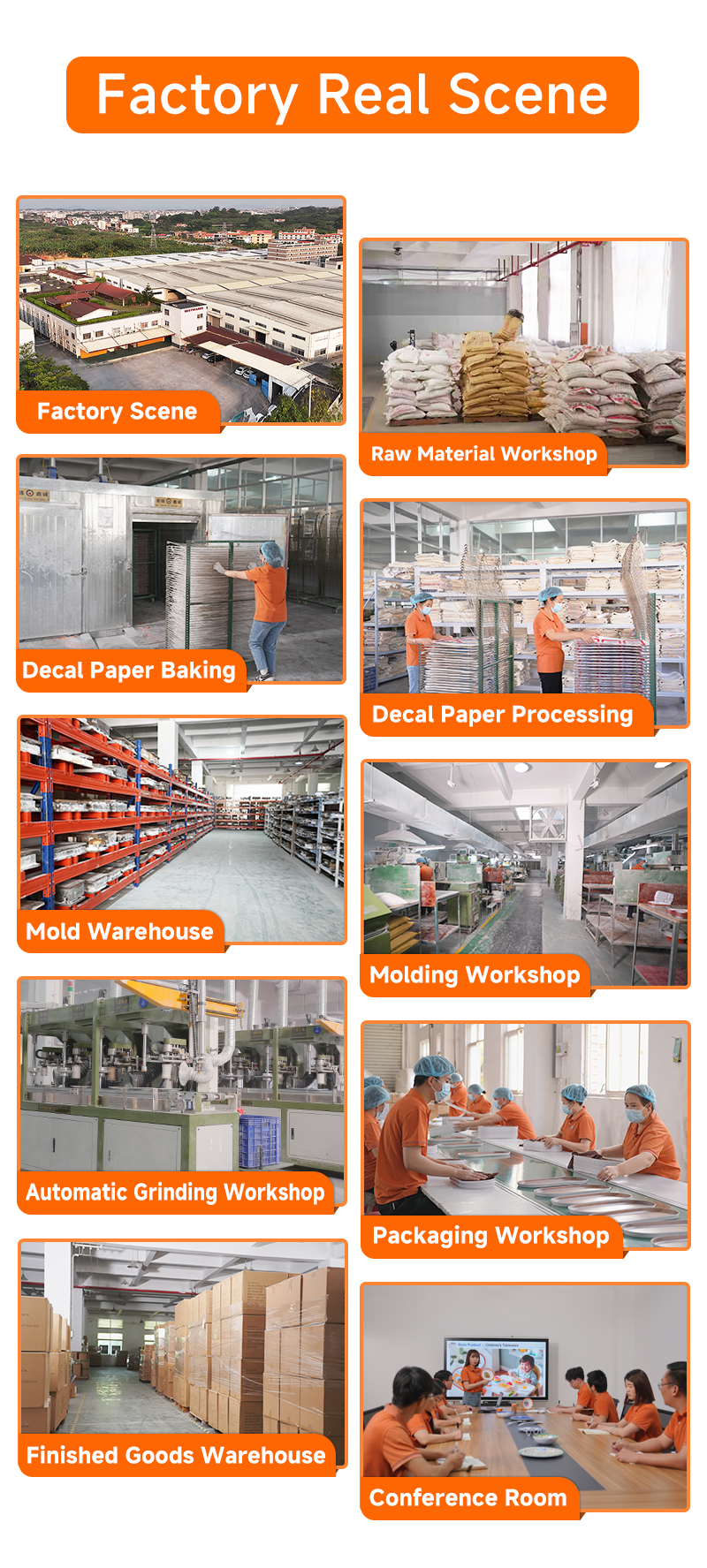
The ergonomics of the 14.5cm spoon and fork require precise manufacturing processes to ensure maximum safety for young users. In a professional children's dinnerware factory, the edges of the spoon bowls and fork tines are subject to rigorous mechanical and hand-polishing stages. This finishing removes any parting lines or micro-burrs left from compression molding, resulting in perfectly smooth contours that prevent oral cavity scratches. Brand owners can print custom logos or seasonal patterns on the handles of the spoon and fork, turning everyday utensils into highly marketable brand assets.
Global Regulatory Standards and Compliance Frameworks for Tableware Importers
Chemical compliance is the absolute baseline for entering Western consumer markets. When importing children's tableware, importers must verify that the manufacturing facilities adhere to strict chemical limits for formaldehyde and melamine monomer migration. Scientific evaluations by the European Food Safety Authority (EFSA) Melamine Risk Assessment highlight that compliance with established migration values prevents any toxicological risks to infants. Professional manufacturers provide complete laboratory test reports, confirming that raw materials contain no heavy metals, plasticizers, or Bisphenol A, ensuring safe use in residential, commercial, and educational environments.
Physical product compliance extends beyond chemical safety to encompass structural stability, impact resistance, and edge safety. Under the United States CPSC Toy and Children's Product Safety Guidelines, all kids' eating utensils must pass rigorous drop tests, compression tests, and torque tests to ensure they do not shatter into sharp fragments when dropped from a high chair. High-quality melamine resin dinnerware possesses superior impact resistance compared to standard polypropylene or polystyrene, preventing breakage and reducing product liability risks for retailers. Factory validation of these physical attributes is typically verified via internationally recognized testing laboratories, with reports made available directly to B2B procurement offices.
Sourcing Logistics, Production Timelines, and Factory Auditing Protocols
Sourcing children's tableware directly from an established factory provides B2B buyers with complete control over customization, pricing transparency, and lead times. The standard timeline for custom printed kids dinnerware starts with the design and mold validation phase, where artwork file setups are adjusted for compression molding. Physical sampling requires approximately 7 business days to complete, allowing buyers to inspect the physical shape, surface gloss, and decal alignment firsthand. Once the pre-production sample is confirmed, mass production typically takes 45 days, depending on the order volume and factory capacity.
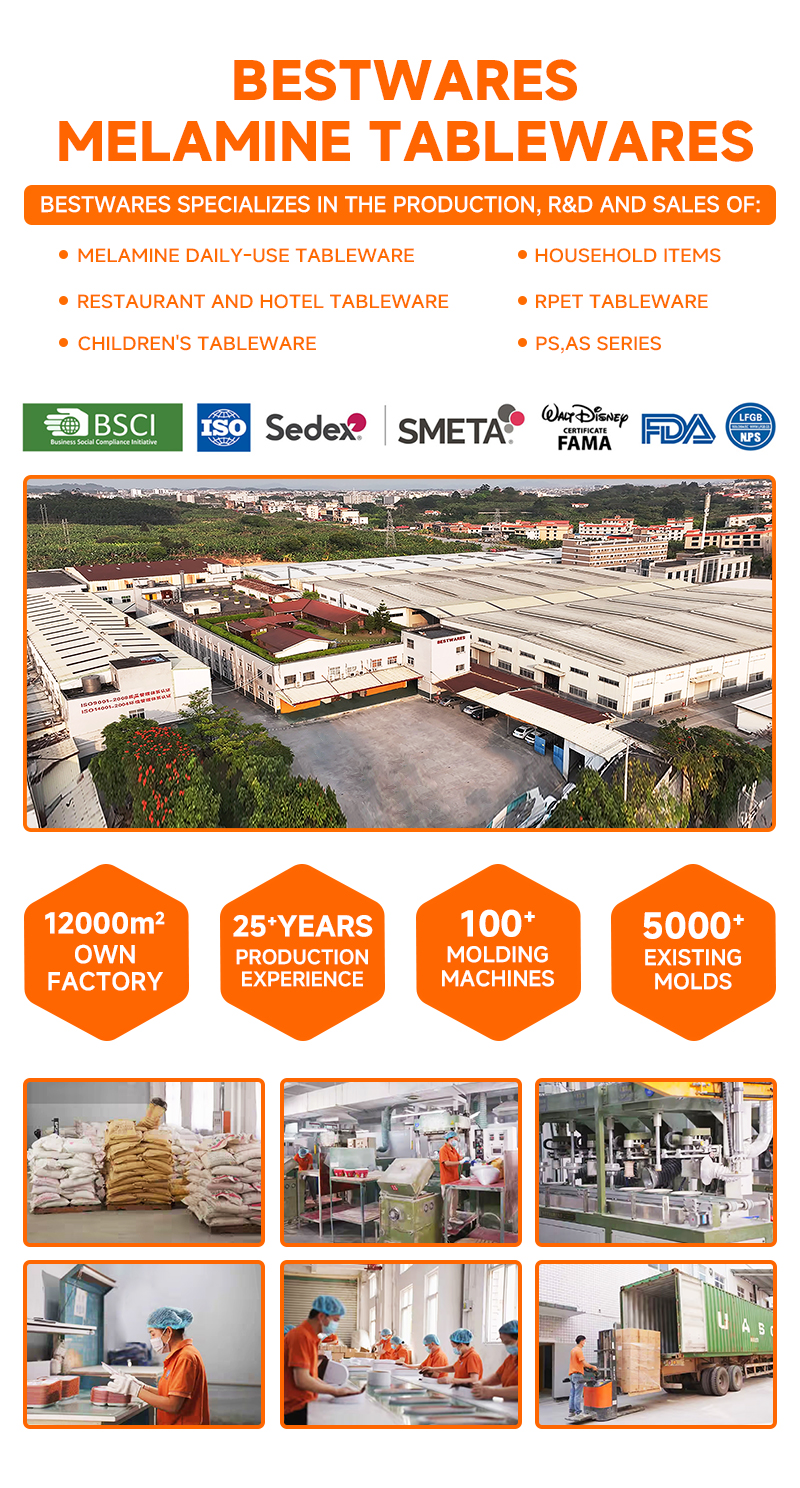
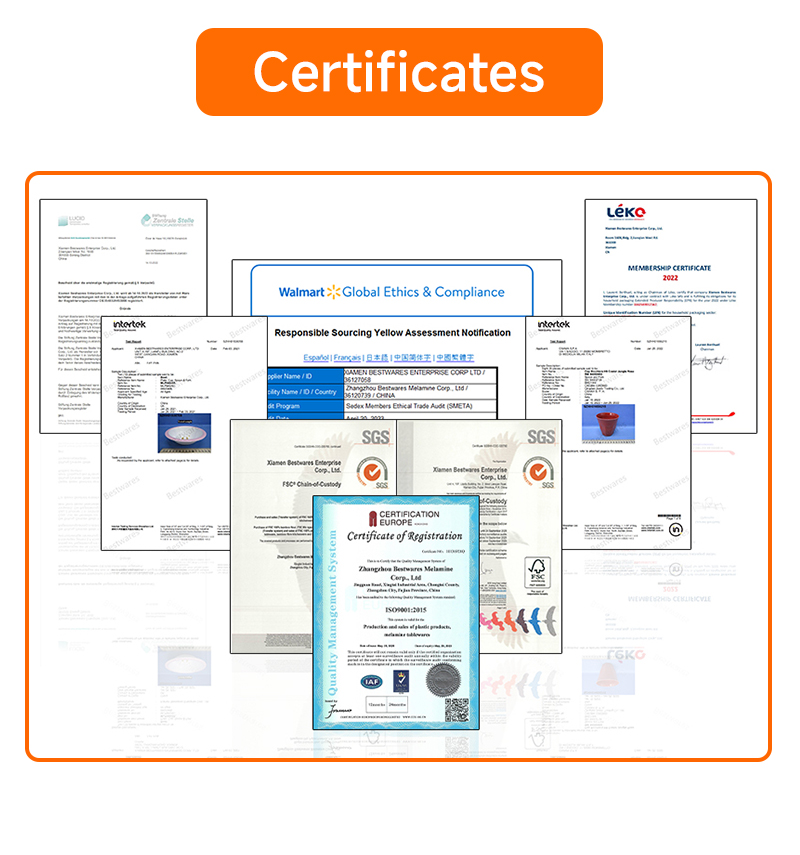
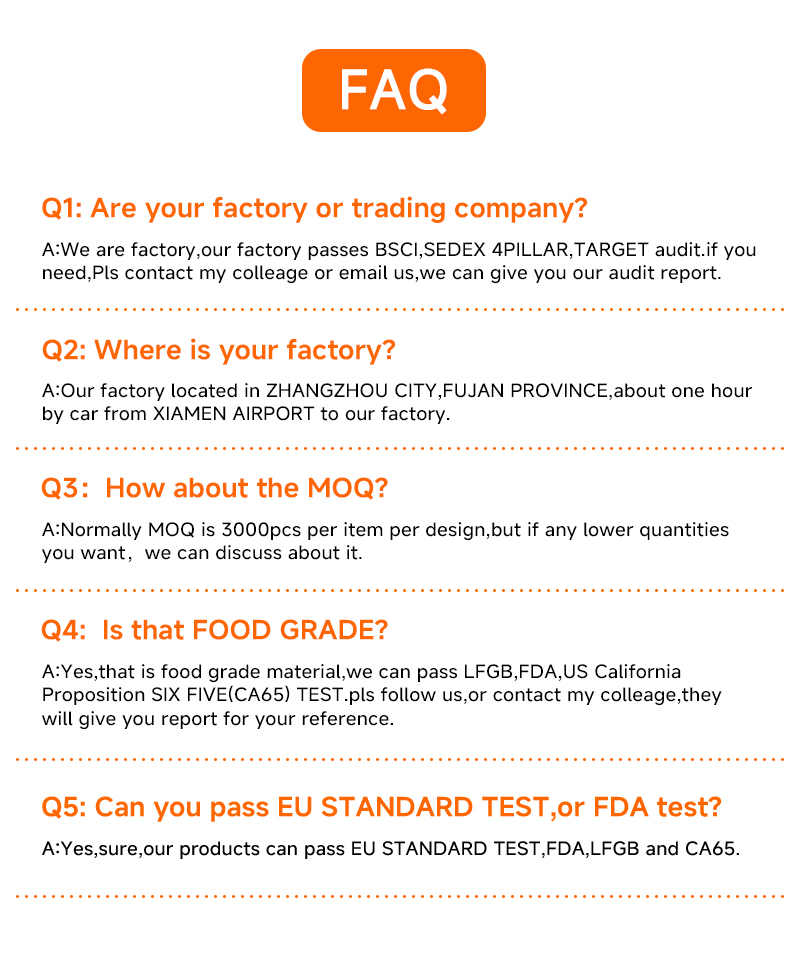
Global retail chains and enterprise buyers require suppliers to hold multiple active social compliance and quality management audits before finalizing contracts. Leading manufacturers in the melamine industry maintain active compliance profiles under international auditing systems, demonstrating ethical labor, safe working conditions, and environmental responsibility. These credentials, along with specific retailer audits from Disney, Target, and Walmart, provide brand owners with the necessary security to pass strict customs checks. Complete audit reports can be requested directly from B2B customer service representatives and are shared promptly via email.
Market Penetration and Sourcing Recommendations for B2B Sourcing Managers
B2B procurement managers can maximize their market share by tailoring their kids' dinnerware sourcing programs to specific commercial distribution channels. For public and private school cafeteria tenders, the primary procurement criteria are longevity, stackability, and heavy-duty dishwasher safety, where pure melamine sets are highly competitive. For high-end lifestyle retail and baby product brands, the focus shifts to aesthetic customization, where matte-finish bamboo fiber or melamine plate reviews and buying guide insights can help shape product positioning. By offering custom color options matched to specific Pantone numbers, manufacturers allow brands to align their tableware sets with contemporary home decor color trends.
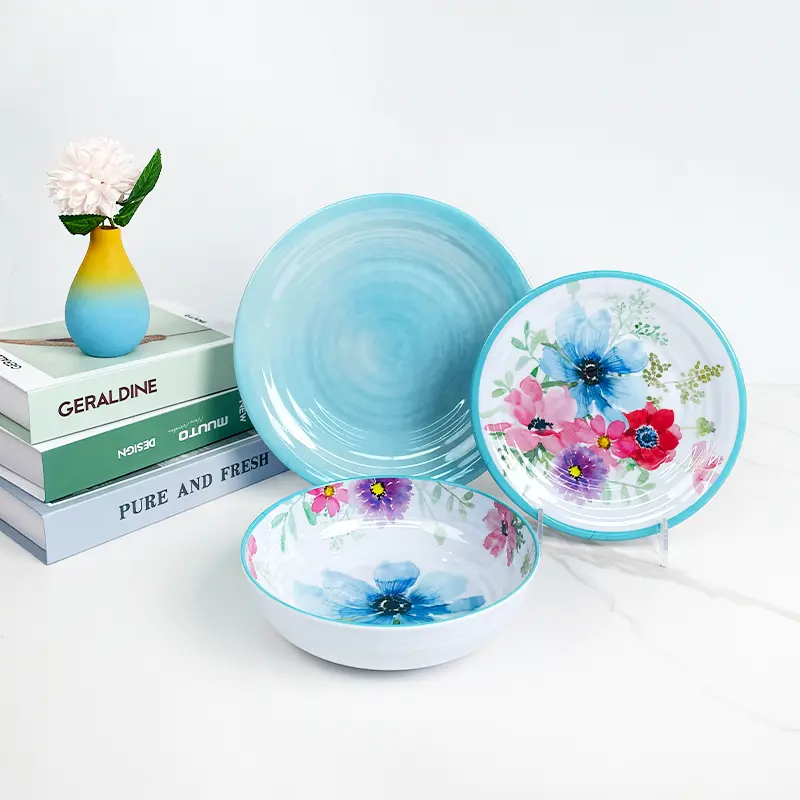
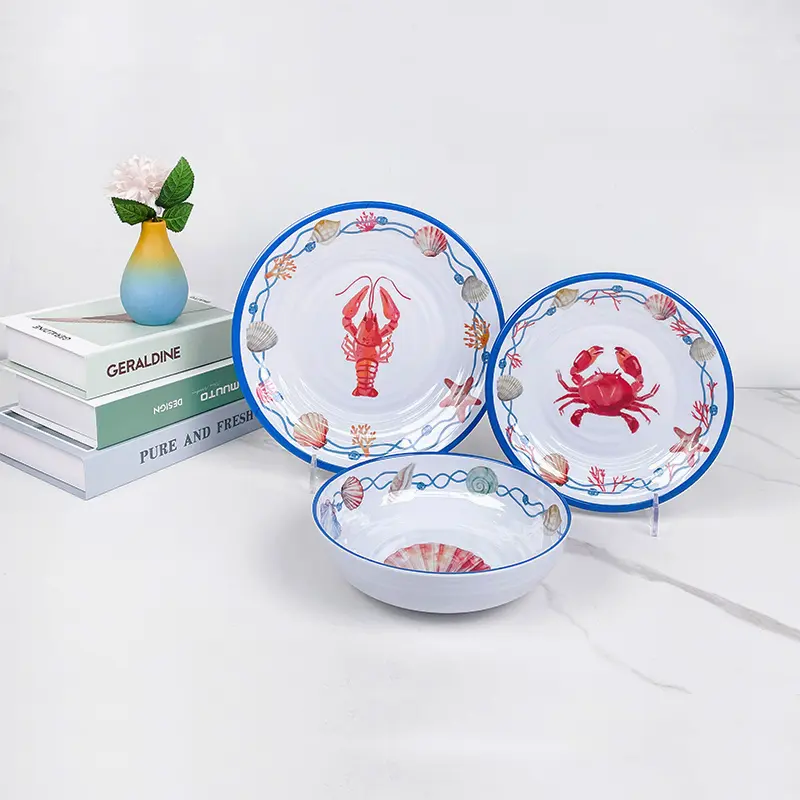
To optimize order values and logistics costs, importers should evaluate complete dining collections that go beyond the basic 5-piece set. Combining children's dinnerware with matching melamine bowls for children or complete western melamine plate set configurations allows distributors to offer coordinated collections, which increases average order value (AOV) for retail partners. In addition, sourcing multiple SKUs from a single, audited manufacturer streamlines shipping consolidation at major shipping ports like Xiamen. This consolidation simplifies customs clearance, reduces tariff risks, and lowers shipping-container-per-unit freight costs by approximately 15% to 20%, directly improving B2B gross margins.
Expert Sourcing Q&A: Frequently Asked Questions by B2B Procurement Teams
What is the main safety difference between melamine and bamboo fiber tableware for children?
Melamine tableware is highly stable and fully compliant with FDA and EU regulations, offering excellent shatter-resistance and long-term durability. Bamboo fiber tableware often uses melamine as a binding agent, but composite materials containing natural fibers face strict European regulatory restrictions under EU No 10/2011 due to potential chemical migration risks when exposed to high heat or acidic liquids.
How can an importer verify the safety of custom cartoon printing on kids' dinnerware?
Cartoon designs on high-quality children's tableware are applied using a sublimation decal paper that is permanently sealed beneath a transparent, high-gloss protective glaze during compression molding. This process prevents the printed inks from making contact with food, ensuring zero chemical migration, and keeps the graphics vibrant after hundreds of dishwasher cycles.
What is the average minimum order quantity and sampling investment for custom tableware?
The standard factory minimum order quantity (MOQ) for custom-printed kids' tableware sets is 500 sets per design, though trial orders are negotiable. The sample development investment is USD 250 per item per design, which covers plate-making and physical sampling over a 7-day period, and is often credited back to the main order.
Are melamine and bamboo composite children's plates suitable for school cafeteria dishwashers?
Yes. High-density melamine tableware is specifically designed to withstand commercial dishwasher cycles, resisting staining, scratching, and heat deformation. However, children's tableware manufactured from melamine or bamboo fiber is not suitable for microwave or conventional oven use, as electromagnetic waves can degrade the polymer structure over time, making it brittle.
How do B2B buyers request full compliance and factory audit reports from Xiamen Bestwares?
B2B procurement managers can request complete compliance documentation, including FDA, EU 10/2011 laboratory test results, and BSCI, SEDEX, Walmart, Target, Disney, or NSF audit reports, by contacting the sales office directly. The factory customer service team will promptly package and send the requested PDF audit files via email within 24 hours.
About Us

Post time: Jun-09-2026