Global Commercial Tableware Market Trends and Institutional Projections
The global commercial dinnerware sector is experiencing a significant shift as operators across the hospitality, catering, and retail industries seek high-performance alternatives to traditional ceramics. Market intelligence from the Grand View Research Tableware Industry Analysis indicates that the market is expanding rapidly, driven by the expansion of fast-casual dining and rising enterprise procurement for durable outdoor and indoor household dinnerware sets. High-density polymers, specifically melamine formaldehyde resin, are increasingly specified by B2B buyers due to their unique balance of aesthetic flexibility, mechanical strength, and exceptional shatter-resistance.
For wholesale distributors and hospitality procurement managers, securing long-term supply contracts with fully audited manufacturing facilities is a primary risk-mitigation strategy. Global trade compliance requires rigorous adherence to food contact safety regulations, which are continuously updated to protect public health. Data from the World Health Organization (WHO) Food Safety Program highlights that chemical migration from food contact materials must be strictly controlled, prompting professional suppliers to implement advanced high-pressure compression molding technologies to ensure chemical stability across all product lines.
Table 1: Global Commercial Dinnerware Market Projections (2024–2030)
| Sourcing Year | Market Valuation (USD Billion) | Primary Driver | Sourcing Channel Priority |
|---|---|---|---|
| 2024 (Baseline) | 48.5 | Fast-Casual Dining Expansion | Direct Factory Sourcing |
| 2026 (Projected) | 53.2 | Outdoor Entertaining Trends | Custom Brand OEM Programs |
| 2028 (Projected) | 58.4 | Institutional Cafeteria Tenders | Certified Material Compliance |
| 2030 (Projected) | 64.1 | Circular Economy Initiatives | Complete Zero-Risk Procurement |
Technical Specifications: The Standard 12-Piece Melamine Dinnerware Set
The 12-piece melamine dinnerware set represents the baseline volume unit for consumer retail, e-commerce gift sets, and commercial dining. This versatile configuration is engineered to serve four people and includes four 10.5-inch dinner plates, four 8.5-inch dessert plates, and four deep soup/salad bowls. Sourcing this pre-configured set from a single manufacturing facility simplifies quality control, ensures 100% color and decal consistency, and optimizes container nesting density during shipping. Table 2 compiles the detailed engineering specifications and sizing parameters for the 12-piece melamine tableware set.
Table 2: 12-Piece Melamine Dinnerware Set Technical Specifications
| Component Item | Sizing Parameters | Structural Height | Primary Culinary Application |
|---|---|---|---|
| Dinner Plate | 10.5 Inches (26.6 cm) | 1.5 cm | Steaks, entrees, main course presentations |
| Dessert Plate | 8.5 Inches (21.5 cm) | 1.2 cm | Cookies, cakes, side salads, appetizers |
| Serving Bowl | 6.0 Inches (15.2 cm) | 6.0 cm | Soups, cereals, side dishes, noodles |
The 10.5-inch dinner plate features a 1.5cm structural depth, which is engineered to contain sauces and gravies, making it ideal for serving entrees like steaks or eggs. The 8.5-inch dessert plate is dimensionally optimized for cookies, cakes, or light salads, serving as the perfect companion piece for multi-course dining. The included bowls feature a 6.0cm deep profile, providing excellent volumetric capacity for liquid-based dishes. This unified 12-piece set utilizes white melamine base material, which provides a high-contrast background that enhances the visual appeal of food presentations.
Material Compliance and International Food Safety Standards
Chemical safety and regulatory compliance are the primary gatekeeping criteria for importing tableware into North American and European markets. Molded melamine-formaldehyde articles must comply with strict migration limits to prevent any toxicological risks to consumers. In the United States, melamine dinnerware must pass extractive residue tests outlined in FDA Regulation 21 CFR 177.1460, which governs polymer food contact surfaces. These standards guarantee that the tableware is BPA-free and remains chemically inert under standard operating temperatures between -20°C and +120°C.
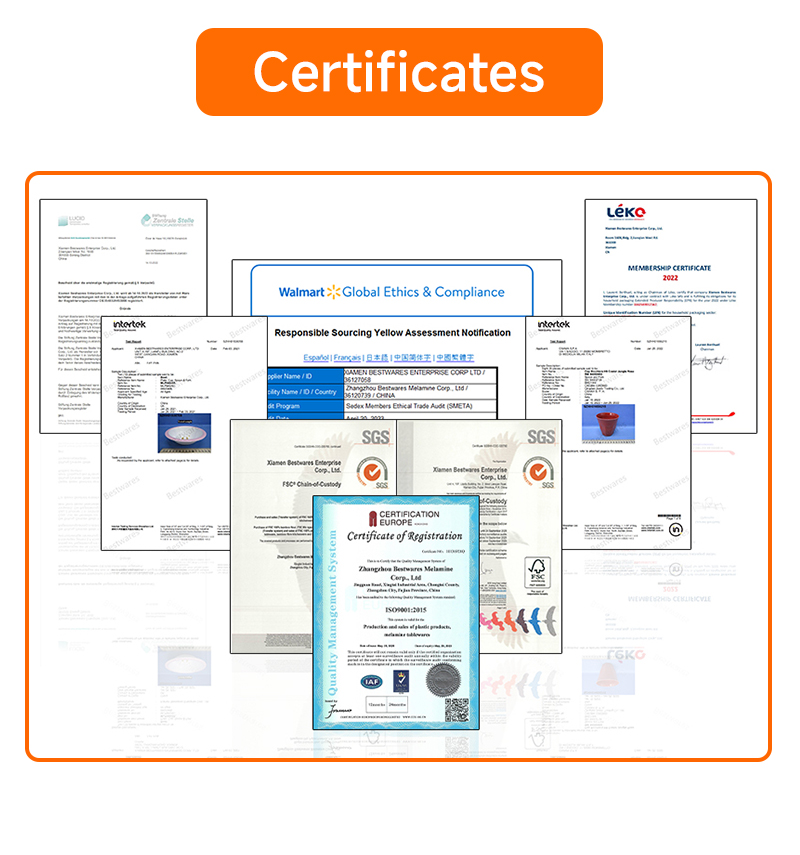
European Union markets enforce even more stringent regulations under Commission Regulation (EU) No 10/2011, which requires specific migration testing for formaldehyde and primary aromatic amines. Importers sourcing bamboo fiber children tableware or pure melamine products must ensure the manufacturing facility provides verified laboratory test reports from accredited third-party agencies such as SGS or Intertek. Xiamen Bestwares maintains a comprehensive library of chemical testing certificates, ensuring that all exported products comply fully with FDA, EU, and LFGB (Germany) food safety standards.
B2B Customization: OEM/ODM Design and Pantone Color Matching
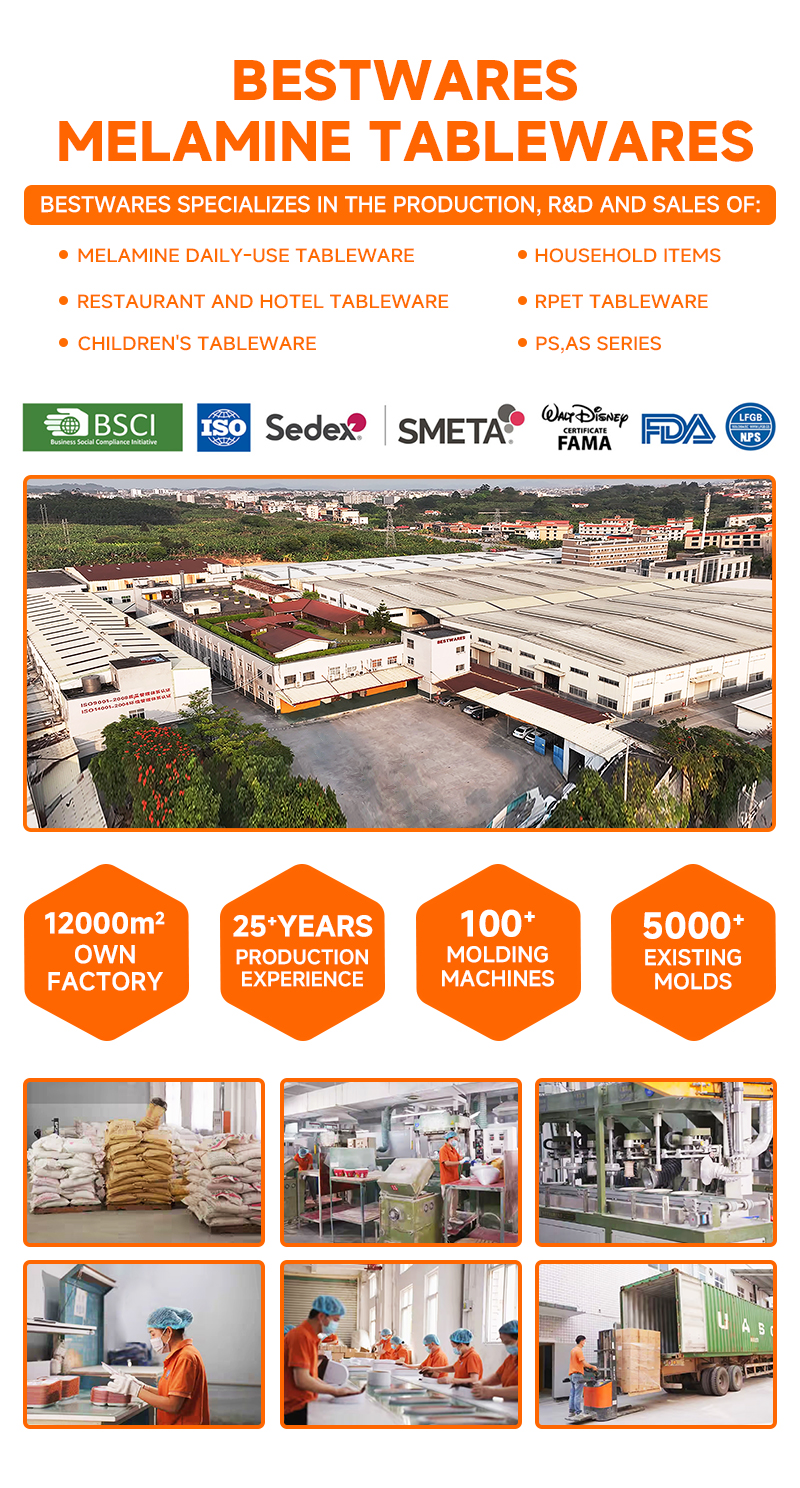
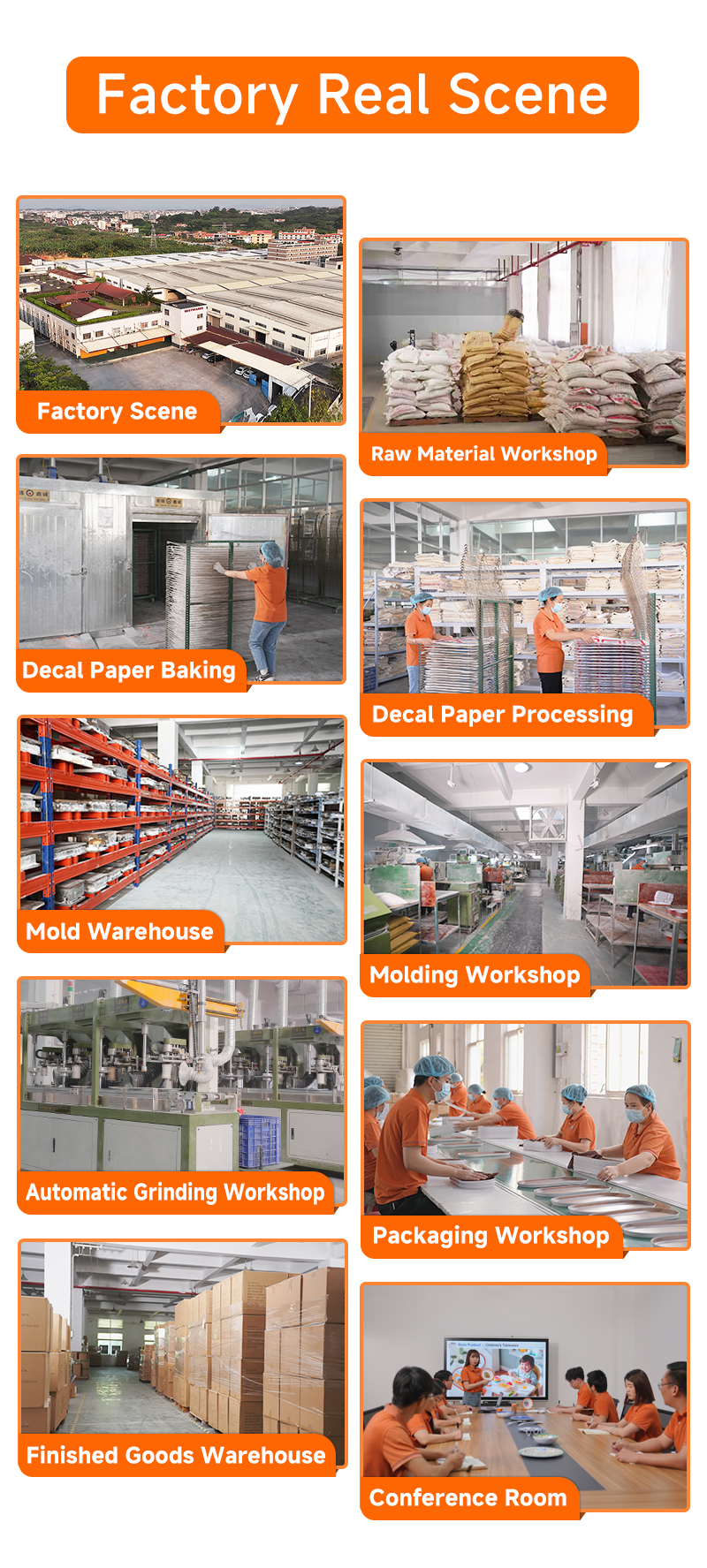
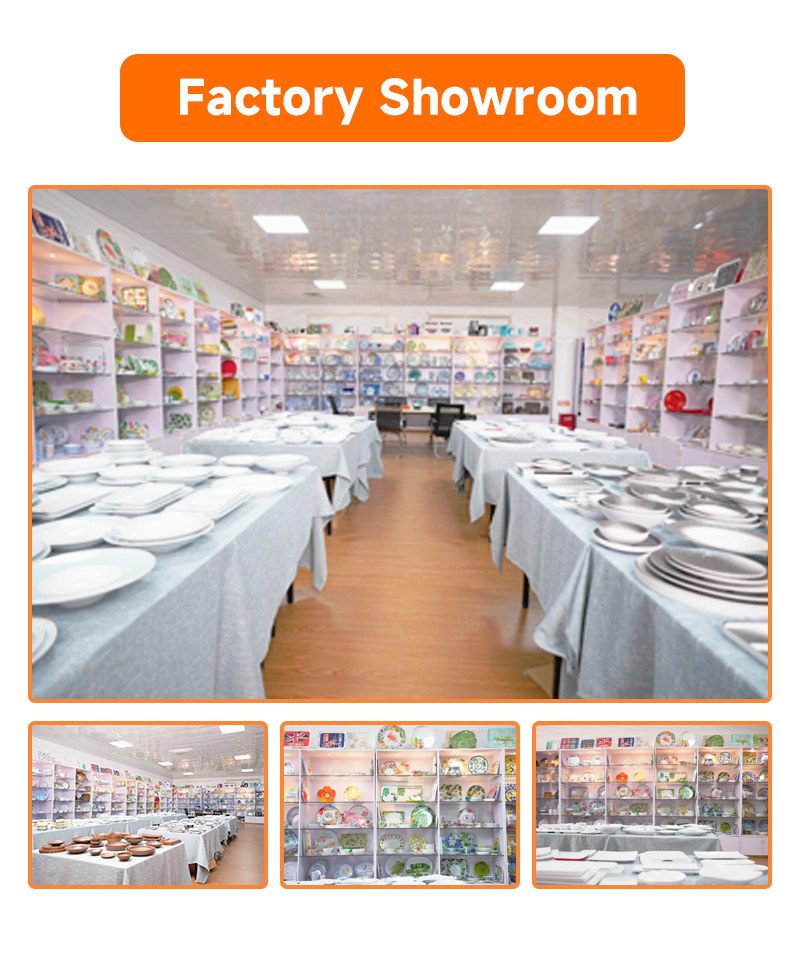
Customization is the primary driver for brand differentiation in the competitive retail and hospitality sectors. Xiamen Bestwares, with its centralized manufacturing facility in Zhangzhou City, Fujian Province, houses a vast library of over 3,000 active compression molds, allowing B2B buyers to select existing shapes and sizes without incurring mold development fees. For unique market requirements, the engineering department can develop custom molds based on CAD drawings or physical reference samples, providing a streamlined path for custom children's dinnerware set or luxury dinnerware programs.
Brand owners can utilize the Pantone Matching System (PMS) to specify solid resin colors, allowing the plates and bowls to match their corporate brand identity or seasonal retail themes. The surface decal application utilizes high-definition sublimation printing, which is permanently sealed under a transparent, high-gloss protective glaze during the final compression stage. This ensures that the custom artwork remains vibrant and resistant to scratching after repeated use, a feature frequently highlighted in 2026 melamine oval plate reviews and commercial procurement evaluations.
Sourcing Logistics: Packaging, MOQ, and Production Timelines
Efficient packaging design is critical to preventing surface abrasions during transoceanic transit and optimizing container loading density. Xiamen Bestwares offers multiple packaging configurations, including eco-friendly paper sleeves, shrink-wrap with hangtags, and premium full-color gift boxes designed for direct e-commerce fulfillment. By optimizing carton configurations, distributors can reduce their ocean freight costs by up to 15%, directly improving their wholesale margins. The standard manufacturing lead time for a 500-set order is 45 days post-sample approval, which includes raw material preparation, molding, and hand-polishing.
Table 3: B2B Sourcing Logistics & Production Milestones
| Sourcing Stage | Timeline Parameters | Key Action Item / Deliverable |
|---|---|---|
| Stage 1: Briefing | Day 1 – 2 | Technical drawing setup & Pantone color selection |
| Stage 2: Sampling | Day 3 – 10 | Physical sample production & glaze validation |
| Stage 3: Approval | Day 11 – 15 | Physical sample delivery & buyer sign-off |
| Stage 4: Production | Day 16 – 60 | High-pressure compression molding & manual polishing |
| Stage 5: Quality QC | Day 61 – 62 | In-line inspection and packaging drop-test verification |
Factory Auditing and Social Responsibility in the Supply Chain
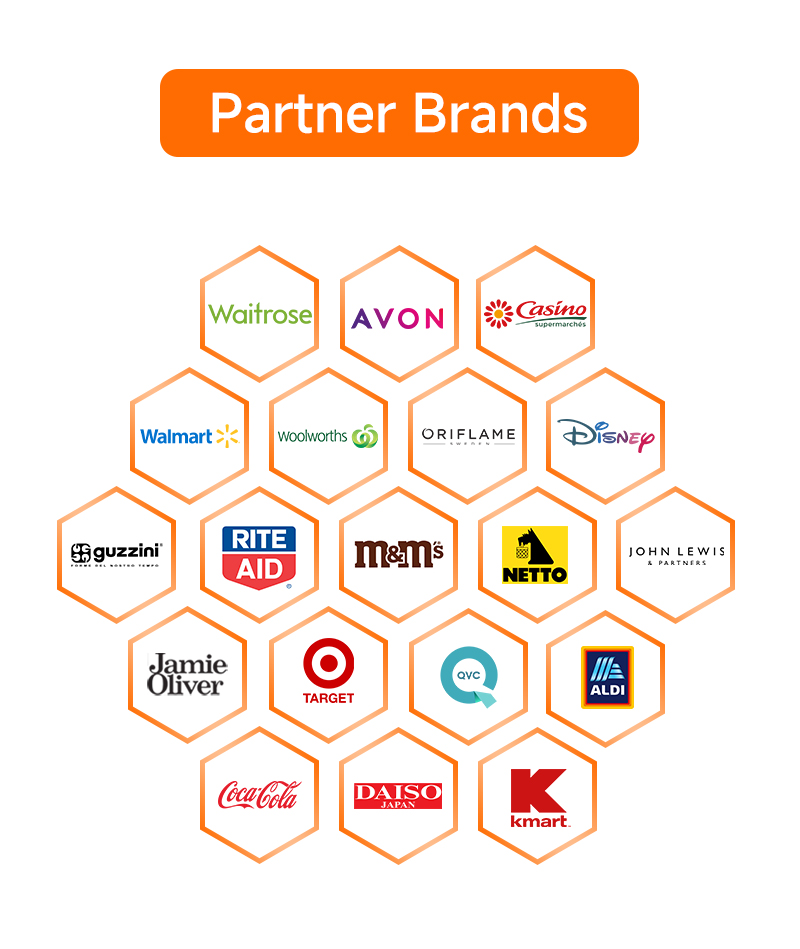
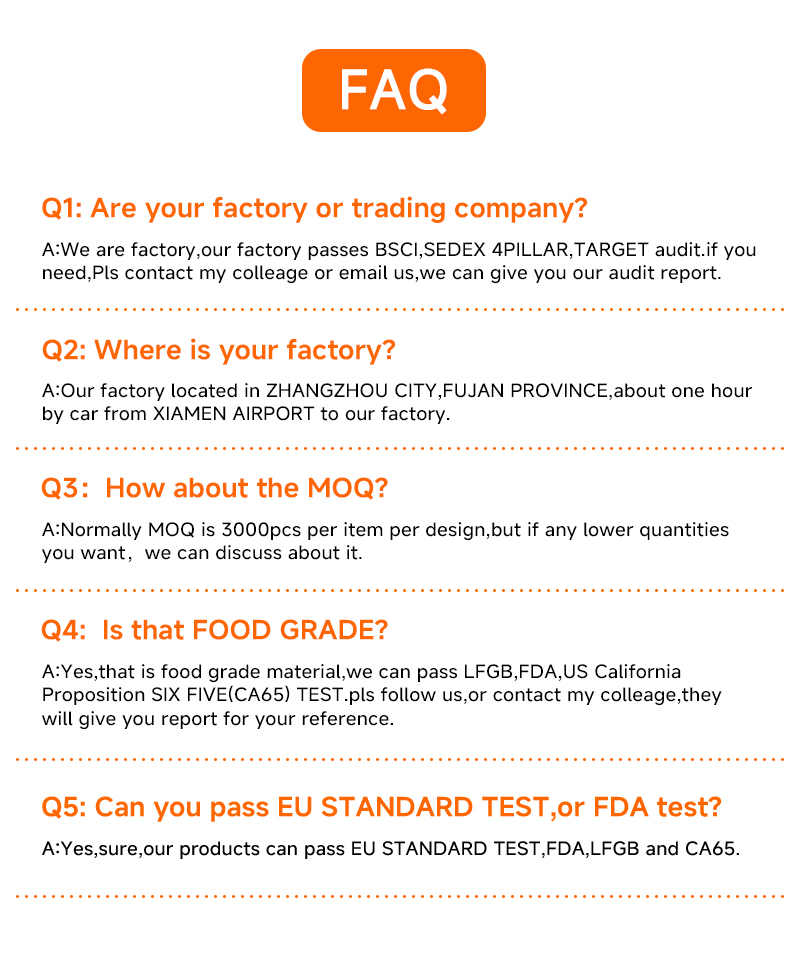
Modern enterprise procurement managers must ensure that their supply chains adhere to ethical labor standards and environmental regulations. International retail chains require manufacturing facilities to hold active, passing social compliance audits before placing bulk orders. The Zhangzhou manufacturing facility holds comprehensive certifications, including active audits for BSCI, SEDEX 4-Pillar, Walmart, Target, Disney, and NSF. These third-party audits ensure that the tableware is produced in a facility that respects workers' rights, provides safe working conditions, and implements responsible waste management programs in line with United Nations Sustainable Development Goal 12 regarding sustainable consumption and production.
Quality assurance is further reinforced through rigorous pre-shipment inspections, which verify that the finished western melamine plate set meets exact dimensional and aesthetic tolerances. Buyers focusing on melamine bowls for children or commercial catering collections can request full factory audit reports directly from the export sales department. By providing transparent, secure access to these PDF audit files via email, Xiamen Bestwares eliminates the risks associated with international sourcing, establishing a trustworthy and reliable partnership for global B2B buyers.
Expert Sourcing Q&A: Frequently Asked Questions
What is the minimum order quantity for a custom-printed 12-piece melamine dinnerware set?
The standard factory minimum order quantity (MOQ) for custom-printed 12-piece dinnerware sets is 500 sets per design. While the factory can accommodate trial orders below 500 sets to support market testing, the unit price will be higher due to the fixed setup costs of plate-making and machine calibration.
Are existing patterns in the Xiamen Bestwares library free to use for B2B orders?
Yes. Xiamen Bestwares owns a large library of proprietary designs that are offered completely free of charge to B2B buyers. Utilizing these pre-developed patterns eliminates the time and cost associated with graphic design, allowing brands to launch seasonal collections significantly faster.
Are melamine dinnerware sets safe for commercial dishwashers and high-temperature sanitization?
Yes. High-purity melamine tableware is engineered to withstand commercial dishwasher cycles, resisting staining, scratching, and heat deformation. However, melamine tableware is not suitable for microwave or conventional oven use, as exposure to electromagnetic radiation can cause the polymer structure to degrade over time.
Can an importer request a custom set that combines different resin colors in one package?
Yes. The compression molding process supports color-mixing. Buyers can configure a 12-piece set that combines different solid colors — such as coordinating deep blue dinner plates with light yellow dessert plates — to create a highly stylized tabletop collection that appeals to contemporary consumer tastes.
How can global procurement managers obtain physical samples to inspect material quality?
Existing factory samples are provided free of charge, with the buyer covering the shipping costs (freight collect). For custom OEM designs, the sample development investment is USD 250 per item per design, which covers physical sample production over a 7-day period.
About Us

Post time: Jun-26-2026