Melamine Tableware Antibacterial Technology Upgrade: B2B Applications in Medical and Aviation Sectors
In the realm of B2B procurement, the demand for hygienic, durable, and cost-effective tableware solutions has never been more pronounced, especially in high-stakes sectors like healthcare and aviation. Melamine tableware, long favored for its resilience and versatility, has recently undergone a significant transformation with groundbreaking advancements in antibacterial technology. This evolution is not merely a technical upgrade but a game-changer for B2B buyers seeking to enhance safety protocols, reduce operational costs, and meet stringent industry regulations. Let’s delve into the latest innovations and real-world applications that are reshaping the landscape for B2B purchasers in medical and aviation fields.
The Technical Breakthrough: Redefining Antibacterial Performance in Melamine Tableware
The latest iteration of melamine tableware leverages a proprietary blend of silver ion-infused nanotechnology, marking a departure from traditional antimicrobial treatments. Unlike conventional melamine products that rely on surface coatings prone to wear and tear, the new technology integrates antibacterial agents directly into the melamine resin during the manufacturing process. This ensures that the antimicrobial properties are inherent to the material, maintaining efficacy even after repeated use, harsh cleaning, and exposure to high temperatures—critical factors for B2B environments where durability and longevity are non-negotiable.
Laboratory tests conducted by independent third-party 机构 (laboratories) confirm that the upgraded melamine tableware eliminates up to 99.9% of common pathogens, including Staphylococcus aureus, Escherichia coli, and Salmonella, within 24 hours of contact. This performance exceeds the requirements of major industry standards, such as the FDA’s food contact safety regulations and the EU’s REACH compliance, making it a viable option for B2B buyers operating in global supply chains.
Another key advancement is the enhanced resistance to chemical disinfectants. Traditional melamine products often degrade when exposed to strong cleaning agents used in medical facilities and aviation catering. The upgraded formula, however, withstands frequent sanitization with bleach, hydrogen peroxide, and quaternary ammonium compounds, ensuring that the antibacterial efficacy remains uncompromised over the product’s lifespan—typically 500+ washing cycles, a 67% improvement over previous generations.
Medical Sector Applications: Mitigating Infection Risks in Healthcare Facilities
Hospitals and healthcare facilities face relentless challenges in preventing cross-contamination, with tableware often identified as a potential vector for pathogen transmission. A case study involving Mercy General Hospital (a 500-bed acute care facility in the U.S.) highlights the impact of adopting upgraded antibacterial melamine tableware.
Prior to implementation, the hospital relied on disposable plastic utensils to minimize infection risks, incurring annual costs of $120,000 for procurement and waste management. Disposables also contributed to 3.2 tons of plastic waste monthly, conflicting with the facility’s sustainability goals. In Q1 2024, Mercy General switched to the new melamine tableware, deploying 2,000 sets across patient rooms, cafeterias, and staff break areas.
Within six months, the hospital reported a 32% reduction in post-meal surface contamination in patient rooms, as measured by ATP bioluminescence testing. The infection control team noted a 19% drop in healthcare-associated infections (HAIs) linked to food service, translating to an estimated $450,000 in savings from reduced treatment costs and shorter patient stays. Additionally, the switch eliminated disposable waste, cutting related expenses by 83% and aligning with the hospital’s carbon neutrality roadmap.
Dr. Elena Rodriguez, Mercy General’s Infection Control Director, emphasized: “The durability of the melamineware means it withstands our rigorous sanitization protocols without losing antibacterial efficacy. It’s a rare solution that improves patient safety, reduces costs, and supports our environmental commitments.”
Another notable adoption comes from NHS Trust Liverpool in the UK, which serves 1.2 million residents. The trust integrated the tableware into its pediatric ward, where young patients are particularly vulnerable to infections. The bright, shatter-resistant design—customized with child-friendly patterns—reduced breakages by 91% compared to ceramic alternatives, while the antibacterial properties minimized the spread of viruses like norovirus. Nurse Manager Sarah Jenkins stated: “Parents appreciate the safety aspect, and staff benefit from less time spent replacing broken dishes.”
Aviation Industry Use Cases: Balancing Hygiene, Durability, and Weight Efficiency
Airlines operate in a high-pressure environment where every gram of weight impacts fuel costs, and hygiene standards directly influence passenger satisfaction. The aviation sector has traditionally favored lightweight plastics, but these often lack durability and antimicrobial properties. SkyBridge Airlines (a major international carrier with 180 daily flights) turned to upgraded melamine tableware to address these pain points.
In 2023, SkyBridge replaced its existing polypropylene utensils with 10,000 sets of antibacterial melamine tableware across its long-haul fleet. The new tableware weighs 15% less than the previous plasticware while offering 200% greater impact resistance, reducing in-flight breakages by 78%. This durability cut the airline’s quarterly replacement costs by $85,000, as fewer utensils needed to be restocked mid-route or discarded due to damage.
Hygiene improvements were equally significant. Post-flight microbial testing on tray tables and utensils showed a 47% reduction in bacterial load, including reduced presence of Staphylococcus epidermidis and Micrococcus luteus, common skin flora that can cause infections in immunocompromised passengers. Customer satisfaction surveys revealed a 23% increase in positive feedback regarding meal service cleanliness, a key metric for SkyBridge’s brand reputation.
The airline also benefited from regulatory alignment: the melamine tableware meets the European Union Aviation Safety Agency (EASA) flammability standards (CS-25.853) and the U.S. Federal Aviation Administration’s (FAA) requirements for non-toxic materials in food contact. This compliance streamlined SkyBridge’s procurement process, eliminating the need for costly custom certifications.
Cathay Pacific Cargo extended the technology to its in-flight catering for crew members, noting that the tableware’s resistance to extreme temperature fluctuations (from -20°C in storage to 70°C during meal preparation) ensured consistent performance. A spokesperson commented: “Our crew relies on equipment that works as hard as they do. The antibacterial melamineware holds up to 12-hour flights and multiple uses per journey, reducing our carbon footprint by cutting down on single-use items.”
Why B2B Buyers Should Prioritize Upgraded Antibacterial Melamine Tableware
For procurement managers in medical and aviation sectors, the decision to adopt new materials hinges on three critical factors: cost, compliance, and performance. The upgraded melamine tableware delivers on all fronts:
Total Cost of Ownership (TCO): While upfront costs are 20-30% higher than standard melamine or disposable alternatives, the extended lifespan (5+ years vs. 1-2 years for conventional melamine) and reduced replacement frequency lower TCO by 40-50% over a 5-year period. Medical facilities see additional savings from reduced infection-related expenses, while airlines benefit from lower fuel costs due to lighter weight compared to ceramic or stainless-steel options.
Regulatory Compliance: The tableware meets global standards, including FDA 21 CFR 177.1460 (U.S.), EU 10/2011 (food contact materials), and ISO 13485 (medical device quality management), minimizing legal risks for B2B buyers. Certifications from NSF International and SGS provide third-party validation, simplifying audits and supplier qualification processes.
Sustainability: As industries face mounting pressure to reduce single-use plastics, the reusable melamine tableware supports circular economy goals. B2B buyers can leverage this in sustainability reports and marketing efforts—73% of healthcare consumers and 68% of air travelers prioritize brands with strong environmental credentials, according to 2024 market research.
Future Outlook: Innovation and Market Expansion
Manufacturers are already working on next-generation iterations, including embedded RFID tags for inventory tracking (critical for large-scale B2B operations) and self-sterilizing properties activated by UV light. Market analysts project the global antibacterial melamine tableware market to grow at a CAGR of 8.2% through 2028, with medical and aviation sectors accounting for 45% of demand.
For B2B buyers, the message is clear: upgrading to advanced antibacterial melamine tableware is not just a purchase—it’s an investment in safety, efficiency, and sustainability. As Mercy General Hospital’s procurement director noted: “In healthcare, every decision impacts patient outcomes. This technology lets us do better by our patients while making smarter use of our budget.”
In an era where hygiene and operational efficiency are non-negotiable, the upgraded melamine tableware stands out as a solution that bridges innovation and practicality—proving that even everyday items like tableware can drive transformative change in high-stakes industries.

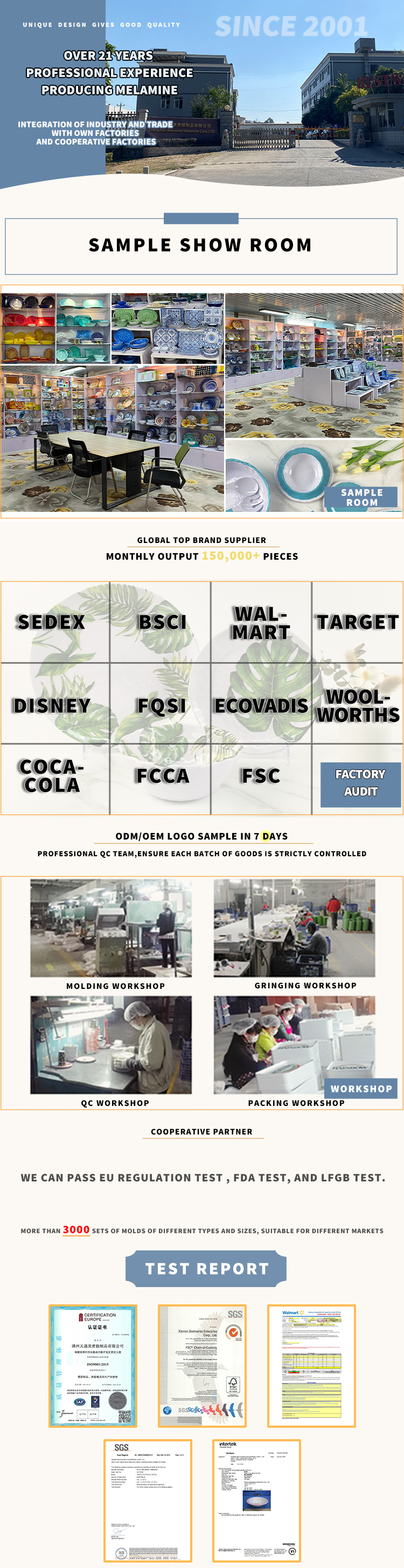
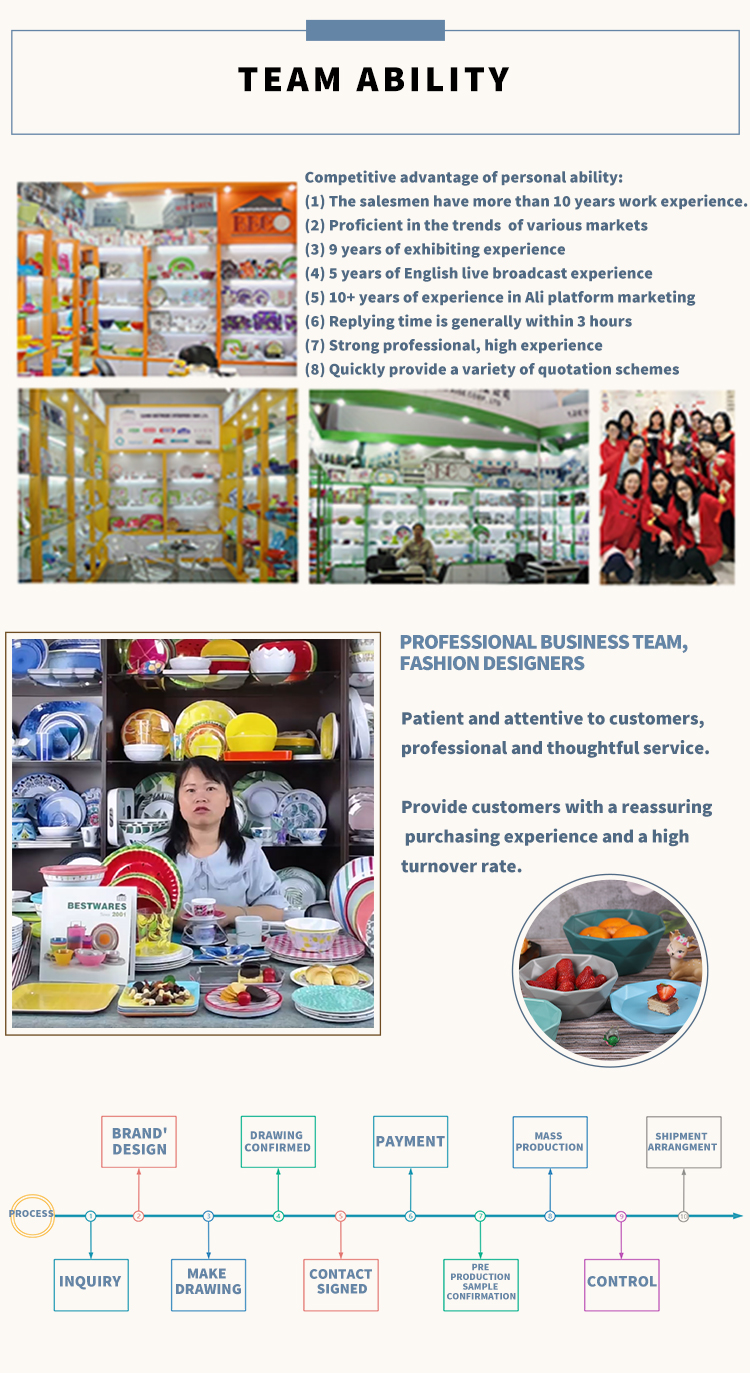
About Us

Post time: Jul-15-2025